Meeting Your Dog's Emotional Needs Every Day
- Sally Gutteridge
- Apr 17
- 7 min read
Updated: Apr 20

We're pretty good at meeting our dogs' physical needs, aren't we?
Food in the bowl. Fresh water. Walks. Vet checks. Flea treatment. All the basics ticked off the list.
But what about their emotional needs?
When did we last consider whether our dogs felt truly safe, connected, and emotionally satisfied? Not just fed and exercised, but genuinely content in their hearts and nervous systems?
Most of us don't think about it. Not because we don't care, but because we've been taught that if a dog is healthy, trained, and getting walks, everything else will fall into place.
Except it doesn't always, does it?
The Emotional Needs We Overlook
I've been thinking about this a lot lately.
How we can do everything "right" according to traditional dog care advice and still end up with dogs who are anxious, restless, or disconnected.
Dogs who bark at everything. Dogs who can't settle. Dogs who follow us from room to room, unable to relax even when nothing is happening. Lack of joyful movement, too much worry.
To have a happy fulfilled dog you need so much more than obedience training.
And here's the thing, once you start paying attention to dog emotional wellbeing rather than just behaviour, things get easier, naturally.
You start to see that the dog who won't stop pacing isn't being difficult. They're disregulated.
The dog who destructively chews when you leave isn't spiteful. They're emotionally overwhelmed.
The dog who ignores you on walks isn't stubborn. They're trying to meet their own needs because we haven't noticed who they really are.
What Dog Emotional Wellbeing Actually Means
Dog emotional wellbeing isn't some abstract concept> Learn more about your dog's emotional systems here.
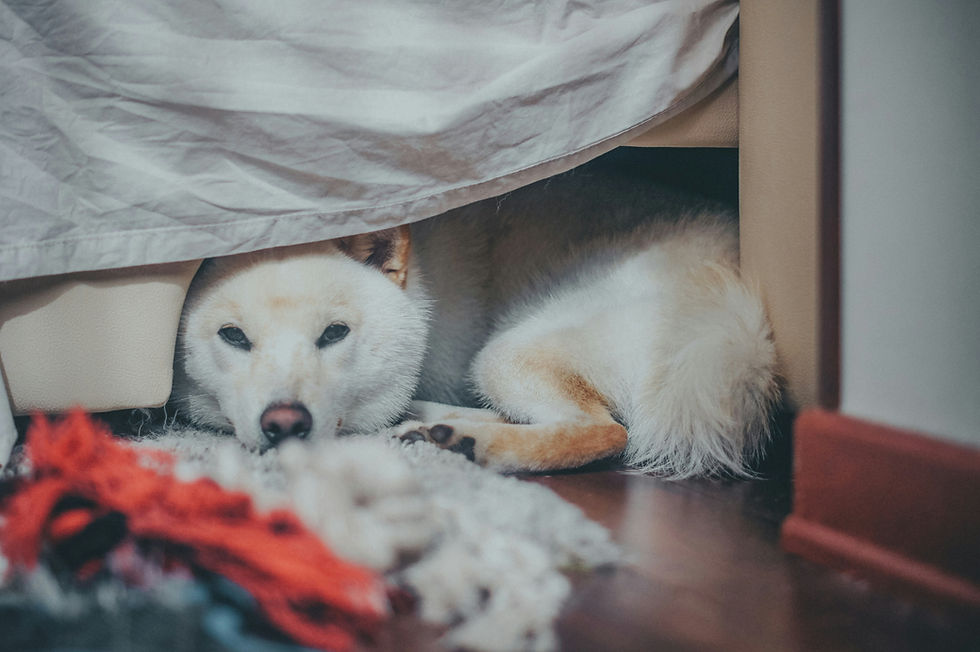
It's about whether your dog's nervous system feels safe most of the time.
Think about what happens when you feel emotionally well. You're calm. You can think clearly. You feel connected to the people around you. You have the capacity to cope with challenges without falling apart.
Your dog needs exactly the same things.
When a dog's emotional needs are met, their nervous system stays regulated. They can move through their day without constantly scanning for danger. They can rest properly.
They can engage with you and the world from a place of curiosity rather than fear or anxiety.
When those needs aren't met, everything becomes harder. For them and for you.
If you've read about triggers and glimmers, you'll know that our dogs are constantly receiving signals about whether the world is safe or dangerous. Meeting their emotional needs is about creating a life with far more glimmers than triggers > Learn More Here.
The Foundation: Safety and Regulation
Before anything else, your dog needs to feel safe.
Not just physically safe from harm, but emotionally safe. Safe enough to relax. Safe enough to show you when they're worried. Safe enough to trust that you'll notice and respond.
A regulated nervous system is the foundation of dog emotional wellbeing. Without it, nothing else works properly. Learning shuts down. Connection becomes difficult. Even rest becomes impossible. Read more about safety based dog training here.
So how do we create that safety?
We start by noticing what disregulates our dogs in daily life. The things we might not even register as stressful because they're so normal to us.
Being stared at. Being hugged by strangers. Having their space invaded when they're resting. Being dragged past things that worry them. Being told off for communicating their discomfort > Learn more about canine communication here.
These small moments stack up. Day after day, they fill your dog's stress cup until it overflows into behaviour we label as "problems."
Meeting your dog's emotional needs means protecting them from unnecessary stress and giving their nervous system space to regulate naturally.

Connection: The Need We Underestimate
Dogs are social creatures. Not in the way we often think, where socialisation means being friendly with every dog and person they meet.
They're social in that they need genuine connection with their own people. With you.
Connection isn't just spending time in the same room. It's not scrolling your phone whilst your dog lies next to you on the sofa. It's not even necessarily playing together, though that can be part of it.
Real connection is about being truly present with your dog. Noticing them. Responding to their communication. Making them feel seen and understood.
My little Darcie taught me this beautifully. She doesn't want elaborate games or constant interaction. What she needs is to know I'm paying attention. That when she glances at me, I glance back. That when she comes over for reassurance, I'm there.

Choice and Autonomy in Daily Life
One of the biggest emotional needs dogs have is so simple we often miss it entirely.
Choice.
Think about your own life for a moment. How do you feel when every decision is made for you? When you have no control over your schedule, your activities, your environment?
Powerless. Frustrated. Probably quite stressed.
Now think about how many choices your dog gets to make in an average day.
When they eat. What they eat. When they go outside. Where they walk. How fast they walk. Whether they can sniff that interesting smell. When they have to stop sniffing. Who touches them. When touch happens. Whether they want to play or rest.
We control almost everything.
I'm not suggesting we let dogs make every decision. Structure matters. Safety matters. But autonomy matters too, and it matters enormously for dog emotional wellbeing.
Small choices create glimmers of safety. They tell your dog's nervous system: you have some control here. You're not powerless. Your preferences matter.
Creating Choice in Everyday Moments
This doesn't require massive changes. It's about pausing before you make decisions for your dog and asking: could they choose this themselves?
Let them pick which toy they want. Hold out two treats and see which one they take. Ask if they want to come for a cuddle rather than pulling them onto your lap. Wait for them to approach new people rather than forcing interaction.
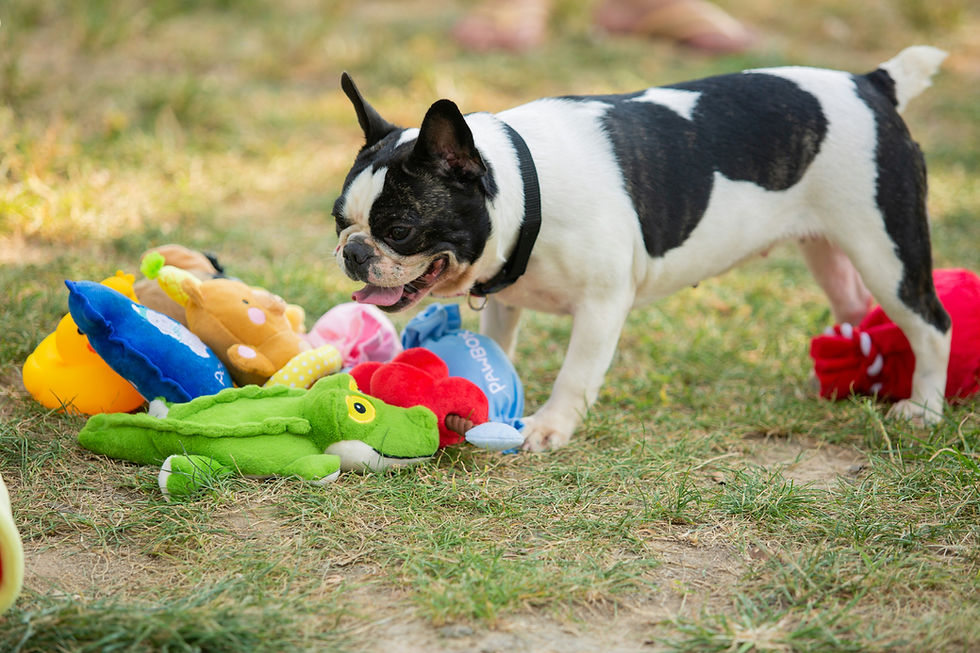
On walks, let them lead sometimes. Not in an "I'm in charge" way, but in an "I trust you to explore safely" way. Let them sniff for as long as they want. Let them choose which route to take occasionally.
Watch what happens. Watch their body soften. Watch them start to check in with you more because they trust you're listening.
That's dog emotional wellbeing being built, one tiny choice at a time.
The Power of Predictability
Another crucial emotional need? Knowing what to expect.
Unpredictability is stressful. When a dog never knows what's coming next, their nervous system stays in a state of alertness. Always waiting. Always scanning. Never quite able to rest.
Routine isn't boring to dogs. It's deeply regulating.
When your dog knows that after breakfast comes a garden potter, then a rest, then a walk, their nervous system can relax. They don't need to worry about what might happen because they know the pattern.
This doesn't mean rigidity. Life happens. Things change. But having a general rhythm to the day creates emotional safety.
And when things do need to change, we can help by preparing them. Letting them know something different is coming. Going slowly.
Reading their body language and adjusting if they're struggling. Helping them learn to be flexible from a place of stretch, not overwhelm.
Using the Nose for Emotional Regulation

One of the most powerful tools for meeting your dog's emotional needs is right under their nose. Literally.
Sniffing isn't just entertainment. It's a biological regulator. When dogs engage their noses properly, their entire nervous system shifts into a calmer state.
Nosework supports dog emotional wellbeing in ways that exercise alone never will. It gives them agency, mental engagement, and the opportunity to succeed in an environment they can control.
Scatter feeding instead of bowl feeding. Hiding treats around the garden. Following scent trails. These aren't extra activities to add to your list. They're ways to meet core emotional needs whilst doing things you're already doing.
My girls regulate through scent every single day. When the world feels too much, when their nervous systems need settling, when they're processing something difficult, their noses help them find their way back to calm. Start your own scentwork journey here.
Rest: The Undervalued Emotional Need
We talk a lot about exercise and stimulation. We worry our dogs aren't getting enough.
But what about rest? Proper, deep, restorative rest?
Dogs need to sleep 12 to 14 hours a day. Not just lying down, but actually sleeping. And they need to feel safe enough to do it properly.
A dog who can't rest well is a dog whose emotional needs aren't being met. Either their environment doesn't feel safe enough, or their nervous system is too disregulated to switch off.
Creating space for rest is an act of love. A quiet room. A comfortable bed. Protection from disturbances. The knowledge that they don't need to stay alert because you're keeping watch.
When dogs can truly rest, everything else improves. Their resilience increases. Their capacity to cope with challenges grows. Their emotional wellbeing stabilises.

Meeting Emotional Needs Isn't Spoiling
I know what some people think when they hear about meeting dogs' emotional needs, offering choices, and prioritising feelings.
"You're spoiling them. Dogs need rules. They need structure. You can't just let them do whatever they want."
Meeting emotional needs isn't about having no boundaries. It's about recognising that dogs are sentient beings with feelings, preferences, and nervous systems that need support.
You can have structure and still offer choices. You can have boundaries and still respect your dog's communication. You can guide your dog's behaviour and still meet their need for safety, connection, and autonomy.
Actually, when emotional needs are met, behaviour often improves dramatically without any traditional "training" at all.

The Most Effective Change
Here's what I've learned about dog emotional wellbeing after all these years working with dogs.
When we start truly meeting our dogs' emotional needs, rather than just managing their behaviour things naturally get better for everyone.
We stop asking "how do I make my dog do this?" and start asking "what does my dog need right now?"
That question changes how we respond to behaviour. It changes how we structure our days. It changes the entire relationship.
And our dogs feel it. They soften. They trust more. They cope better. Not because we've trained them harder, but because we've finally seen them properly.
Small Changes, Deep Impact
You don't need to overhaul your entire life to meet your dog's emotional needs better.
You just need to start paying attention. To notice. To ask yourself throughout the day: does my dog feel safe right now? Connected? Like they have some control? Like they're seen and understood?
And then respond to what you notice.
That's all. That's the work. It's simple, but it's also everything.
Because when we meet our dogs' emotional needs every day, we don't just improve their behaviour. We improve their lives. We give them the thing they need most from us.
Not perfect training. Not expensive toys. Not even constant entertainment.
Just the feeling that they're safe, they're loved, and they matter.
Don't they deserve that?
Looking for more? Join my Dog Resilience Method program. Learn more here.


This is a wonderful post - thank you so much for the reminder to slow down - or even stop - and observe our dogs. More and more I find myself talking to my dogs - and treating them - as though they are a three or four year old child: explaining, asking, reassuring. And recently, amazingly, I've noticed my husband, a self-confessed disliker of dogs, doing the same! That has to be good for everyone in our household :-)